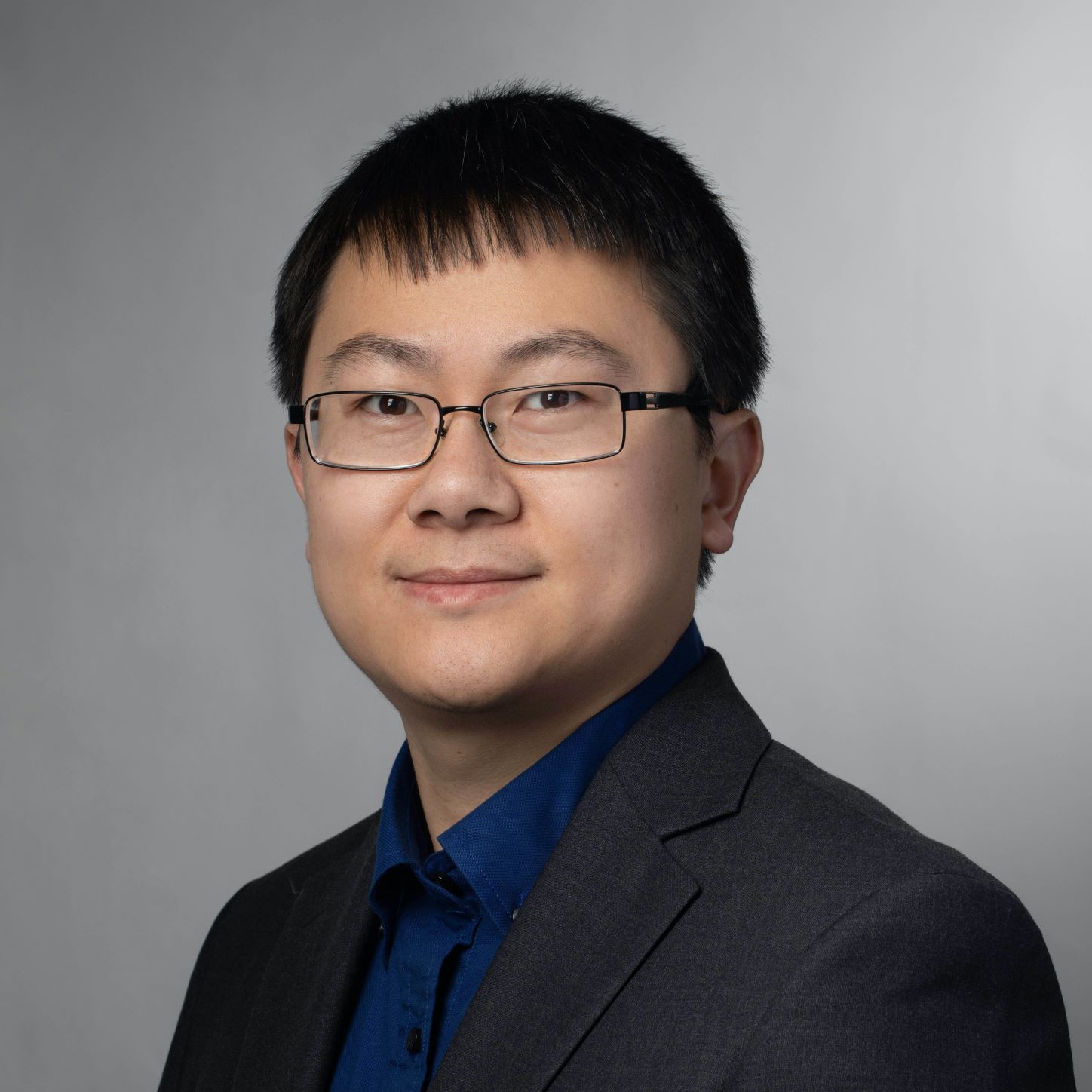
Ting received his Ph.D. in Structural Biology from Institute of Biophysics, Chinese Academy of Sciences in 2014. Following a short postdoc at Yale MCDB, he transitioned to Yale Immunobiology, diving into a new journey of engineering cytokine (IL-18) for cancer immunotherapy. On June 2021, Ting joined Westlake University as an assistant professor, establishing a tissue immunology lab to study myeloid-lymphoid crosstalk within lymphoid organs and peripheral tissues, and to pioneer novel therapeutic strategies for combating cancer and infectious diseases.

I am a “half-way” immunologist. While this background has made establishing my independent lab challenging, it has unexpectedly given me the freedom to think outside the box on many immunological questions.

The peak of current immunotherapies, typified by immune checkpoint blockade (ICB) and CAR-T cell therapy, originated from a mechanistic understanding of the CD28 co-stimulatory function in T cells, combined with the technical development of monoclonal antibodies. These advances have revolutionized cancer treatment, but the complexity of tumors, which develop over long periods and arise in different organs, causes still limited clinical responses. The development of new immunotherapies has clearly fallen into a valley for the field. Meanwhile, both academic research and industry have shifted their attention toward autoimmune diseases and allergies, further worsening this situation.

The ongoing search for new targets, often additional immune checkpoints, reflects a misunderstanding of the true lessons from our current immunotherapy successes. We should certainly appreciate what ICB and CAR-T have achieved, but we should not be limited by this framework. While we acknowledge the key roles of PD-1 and CTLA-4 in regulating T cell activation, we should not be surprised by other molecules in this category as merely redundant or insignificant. Similarly, while we benefit from the elegant simplicity of the CAR design in activating T cells, we cannot avoid the consequences of this artificial design, such as the low fitness and persistence.

The unfolding of my independent research is guided by a reverse reductionist logic, that the importance of a molecule is determined by the importance of the cell that expresses it, which in turn depends on the importance of the cell-cell circuit it participates in, and ultimately on the importance of the tissue context and inter-tissue crosstalk in generating a specific type of immunity. By studying the historical development of ICB and CAR-T, I have gradually come to understand the pros and cons of these strategies. Recognizing these insights, I have steadily oriented my lab toward tissue immunology, concentrating on how myeloid-lymphoid cell crosstalk, especially between dendritic cells and T cells, within tissues and lymphoid organs, shapes immune responses. This may not directly tell us how to cure cancer, but it nurtures an understanding of the immune system within the context of whole-body physiology, something I believe is fundamental to balancing treatment efficacy and toxicity in the future.